
Introduction
Websites are about to change again — in a big way.
The next evolution isn’t about design or mobile responsiveness.
It’s about intelligence.
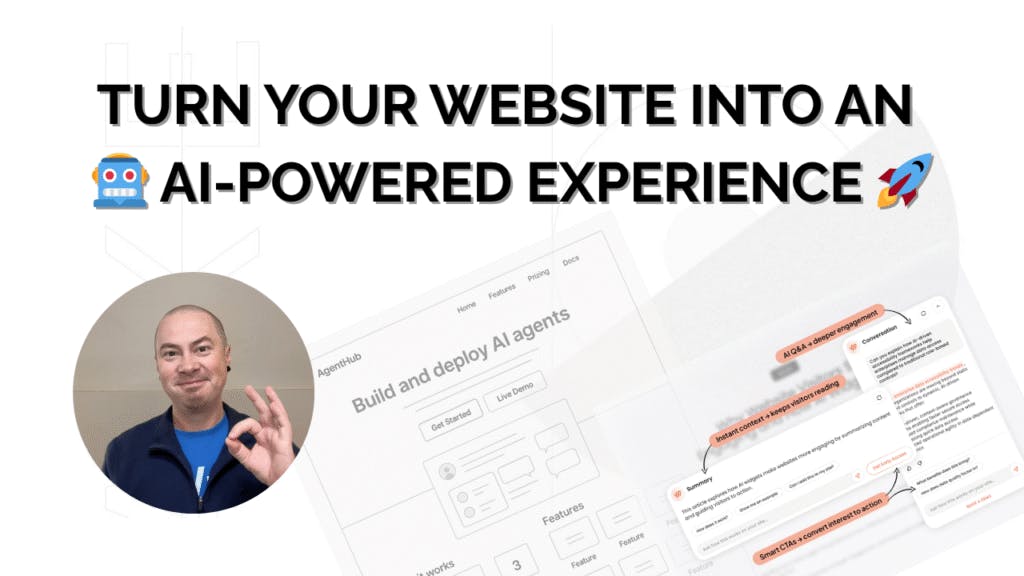
🎥 Wybflow — Turn Any Website Into an AI-Powered Experience
The video shows a glimpse of what that shift looks like: a website that doesn’t just display information but understands it — and helps visitors use it.
From Static Pages to Understanding Systems
For decades, websites were static. Then came personalization, automation, chatbots, and analytics dashboards — each trying to make websites “smarter.”
But most of these solutions worked around the website, not within it.
An AI layer changes that.
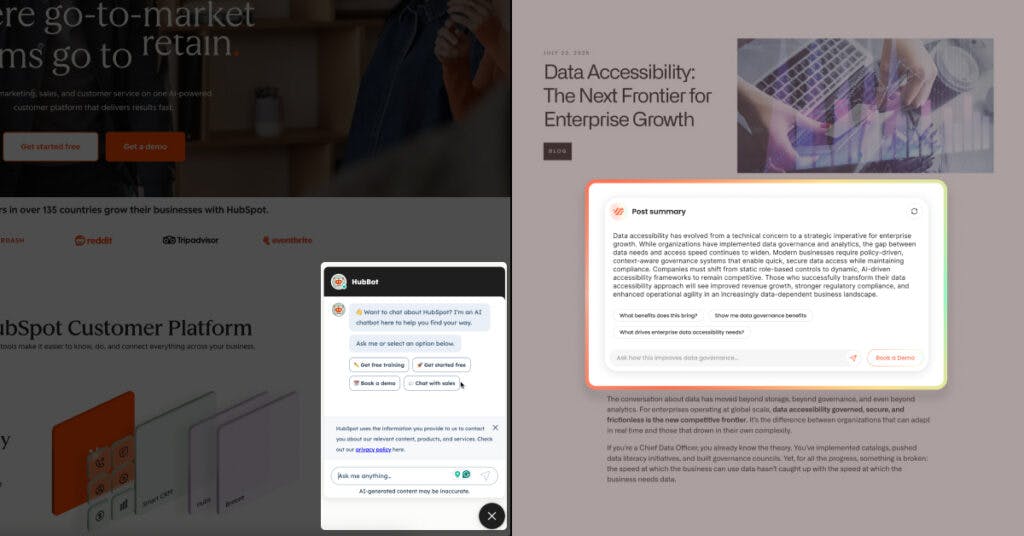
It lives inside your website, learns from your content, and delivers answers instantly in context.
It’s not a chatbot sitting in the corner.
It’s a native part of how users explore and learn.
Why It’s Happening Now
Three trends are colliding:
- AI understanding is becoming lightweight.
You no longer need massive data infrastructure — models can parse and summarize existing site content on the fly. - Users expect immediate clarity.
If your site makes them search or scroll endlessly, they leave. - Marketers want visibility into curiosity.
Knowing what users ask — in their own words — is the new analytics gold.
The AI layer answers all three at once.
How This Changes Web Strategy
Adding AI to your website isn’t just about convenience.
It changes how websites are planned and measured:
- SEO will evolve from “keywords” to semantic intent.
- UX will focus on interaction flow, not just design flow.
- Content will be structured for machine understanding, not only human reading.
In other words, AI becomes part of the site’s architecture — the invisible bridge between your copy and your visitors’ questions.
The Competitive Signal
Early adopters already recognize that embedding AI sends a signal:
This brand experiments. This brand listens. This brand moves fast.
Just like mobile-friendly websites in 2015, AI-powered websites will soon be the default expectation.
A Look Ahead
In a few years, every business — from SaaS to e-commerce will have an AI layer baked into their site.
Not because it’s trendy, but because users will demand it.
And when that moment comes, the question won’t be whether your website has AI — but how well it understands your visitors.
See It for Yourself
Request a demo to experience what an AI layer looks like in practice.